
Planning wedding transportation involves more than choosing vehicles and setting pickup times. Guests also need clear instructions about where to meet, how to reach the ceremony, and how to return to their hotels or other destinations after the celebration. A wedding transportation insert included with the invitation can answer these questions before the wedding day.
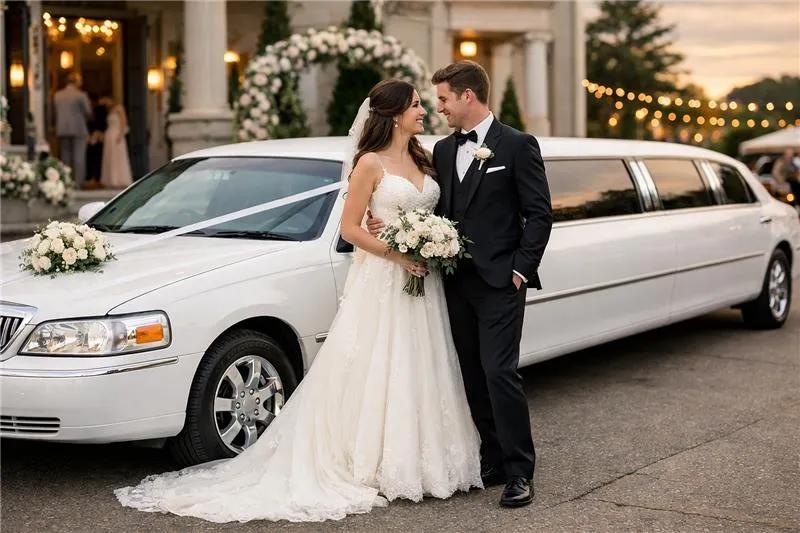
For couples planning a celebration in Fremont, Palo Alto, or another Bay Area location, a well-prepared insert helps guests understand the travel arrangements without searching through multiple messages. It is especially useful when the ceremony, reception, and guest accommodations are in different locations.
Palo Alto Limos recognizes that wedding transportation information should be practical, easy to read, and coordinated with the rest of the wedding details. The following guide explains what to include in a wedding transportation insert, how to organize the information, and how to share it with guests in a clear format.
Why Include a Wedding Transportation Insert?
A wedding invitation usually contains the essential event details, such as the couple’s names, wedding date, ceremony time, and venue. However, transportation arrangements may need additional space for instructions.
A separate insert gives guests room to review travel details without making the main invitation crowded. It can also reduce repeated questions about parking, shuttle stops, pickup times, and return trips.
A transportation insert is especially helpful when:
- The ceremony and reception take place at separate venues.
- Guests are staying at selected hotels.
- A shuttle or group transportation service has been arranged.
- Parking near the wedding venue is limited.
- Some guests are traveling from outside the local area.
- The wedding schedule includes multiple locations.
- The couple wants guests to avoid driving between venues.
Not every wedding requires a printed transportation card. Smaller celebrations may need only a short note on the wedding website. For larger events or weddings with organized group travel, a dedicated insert can make the information easier to find.
1. Add the Wedding Date and Transportation Overview
Begin with a clear heading, such as “Wedding Transportation Information” or “Guest Travel Details.” Include the wedding date so guests can easily connect the instructions with the correct event.

Follow the heading with a brief introduction explaining which transportation arrangements are available. For example, guests may be able to use a hotel shuttle, a designated group vehicle, or their own transportation.
Keep this section short. Guests should understand the basic arrangement within a few seconds.
Example wording:
Transportation will be arranged between the designated hotel and the wedding venue on Saturday, June 12. Please review the pickup location and departure times below. Advance confirmation is requested for guests planning to use the shuttle.
Replace the sample date and details with the confirmed information for your event. Do not include transportation options that have not been finalized.
2. List the Exact Pickup Locations
One of the most important details on a wedding transportation insert is the pickup location. A venue address alone may not be enough, particularly if guests are meeting a vehicle at a large hotel, event property, or public gathering point.
Include the complete address and explain where guests should wait.
Depending on the location, useful details may include:
- Hotel name and street address
- A designated entrance or loading area
- The name of the parking lot or meeting point
- A landmark that is easy to recognize
- Instructions for finding the shuttle stop
- A contact method for guests who cannot locate the pickup area
For example, “Meet outside the main hotel entrance” is more helpful than simply listing the hotel address. If the vehicle will collect passengers from a side entrance, specify that detail instead.
Verify every address before printing. If a venue has multiple entrances or a complicated access road, ask the venue coordinator where wedding vehicles can safely load and unload.
3. Provide Pickup and Departure Times
Guests need to know when they should arrive and when the vehicle will leave. The insert should distinguish between the recommended meeting time and the scheduled departure time.
For instance, guests may be asked to arrive at the pickup point 10 minutes before a vehicle departs. This gives the group time to board without delaying the wedding schedule.
A simple table can make multiple trips easier to understand:
| Pickup point | Guest arrival time | Departure time | Destination |
|---|---|---|---|
| Hotel A | 2:15 PM | 2:25 PM | Ceremony venue |
| Hotel B | 2:40 PM | 2:50 PM | Ceremony venue |
| Ceremony venue | 9:15 PM | 9:25 PM | Designated hotel |
These times are examples only. Use the actual schedule confirmed with the transportation provider and wedding coordinator.
If several vehicles are operating, explain whether they depart together or follow different schedules. Avoid writing “shuttles will run throughout the evening” unless continuous service has genuinely been arranged.
4. Explain the Route Between Wedding Venues
Some weddings have a ceremony at one location and a reception at another. Guests may also need transportation between a hotel, ceremony, photo location, and reception venue.
Explain which trips are covered and which are not.
For example, the insert could state that transportation will take guests from the hotel to the ceremony, then from the ceremony to the reception. If return service is provided at the end of the evening, list the planned departure window and destination.
Do not assume guests know the area. If two venues are in different parts of the Bay Area, make the sequence clear so attendees can plan their time.
If the couple is arranging transportation only for selected parts of the day, state that clearly. Guests who plan to make their own travel arrangements should have enough information to do so.
5. Include Return Transportation Details
The return journey deserves its own section. Guests may be familiar with the ceremony schedule but uncertain about how to return to their hotel after the reception.
Provide the following details when applicable:
- The time the first return vehicle is scheduled to depart
- Whether additional departures are available
- The designated pickup area
- The hotel or drop-off locations served
- Whether guests need to reserve a seat
- The latest planned departure time
If several return trips are available, indicate the schedule instead of asking guests to wait until a vehicle becomes available.
For example:
Return transportation will depart from the reception venue at 9:30 PM and 10:30 PM. Please arrive at the designated loading area at least 10 minutes before your selected departure.
Only use this wording if the schedule and pickup arrangement are confirmed. If the evening schedule may change, provide a reliable method for sharing updates.
6. Tell Guests Whether They Need to RSVP for Transportation
The number of guests using wedding transportation affects vehicle capacity and scheduling. If seats need to be reserved, ask guests to confirm whether they plan to use the service.

The transportation RSVP can be part of the main wedding response card or managed through the wedding website.
Consider asking guests to confirm:
- Whether they need transportation to the ceremony
- Whether they need a ride to the reception
- Whether they plan to use the return service
- Their preferred return departure, if options are available
- Any relevant accessibility requirements
Keep the questions limited to information needed for planning. If all guests already have assigned transportation, explain that no additional reservation is required.
Include a clear deadline for transportation responses. This gives the couple or planner time to compare the number of expected passengers with the available seats.
7. Add Parking and Self-Travel Information
Not every guest will use the arranged vehicle. Some may drive themselves, travel with family members, use a rideshare service, or make separate plans.
Include parking information when it affects the guest experience. State whether parking is available at the ceremony and reception venues, whether it is paid or complimentary, and whether guests need to follow any specific arrival instructions.
If parking is limited, explain this before the wedding day rather than leaving guests to discover it when they arrive.
For venues with restricted access, share any confirmed drop-off instructions. Guests using a rideshare service may need to know which entrance is suitable for passenger pickup and drop-off.
Avoid promising free parking or unrestricted vehicle access unless the venue has confirmed those arrangements.
8. Include Accessibility Information
Transportation details should help guests with different mobility and travel needs understand their options.
If an accessible vehicle or a specific boarding arrangement is available, explain how guests can request it. The insert can provide an RSVP field or a contact method for communicating requirements privately.
Useful details may include:
- Whether step-free boarding is available
- Whether the vehicle can accommodate a mobility device
- The distance between the drop-off point and the venue entrance
- Whether assistance with boarding can be arranged
- Whom guests should contact about an individual requirement
Do not assume every vehicle can accommodate every mobility device. Confirm the relevant vehicle specifications and arrangements before including them in the invitation.
Sharing accurate information early allows the couple and transportation coordinator to make suitable arrangements without last-minute confusion.
9. Provide a Contact for Transportation Questions
Guests should know whom to contact if they have a question about the schedule or pickup point.
Depending on the wedding, this person may be the wedding planner, designated family contact, or transportation coordinator. Include a suitable phone number, email address, or wedding website contact page.
If the couple prefers not to receive questions directly on the wedding day, appoint a trusted contact who understands the transportation plan.

The insert might say:
For day-of assistance, provide a method that will actually be monitored during the transportation window. Avoid listing a number that is unlikely to be answered while vehicles are operating.
10. Use a QR Code for Detailed Travel Information
A printed insert has limited space. A QR code can direct guests to a wedding website containing a more detailed itinerary, updated pickup information, maps, and venue instructions.
The printed card should still include the most important information, such as the pickup location and departure time. Do not make guests scan a code to discover when or where they must meet their vehicle.
Before printing, test the QR code on more than one device. Confirm that the destination page works on mobile phones and that guests can access it without unnecessary login requirements.
If the schedule changes later, an online page may be easier to update than a printed card. Send guests a clear update as well; do not assume everyone will revisit the QR code automatically.
11. Keep the Design Clear and Consistent
A wedding transportation insert should match the invitation suite while remaining easy to read.
Use the same colors, typography, and visual style as the main invitation, but prioritize legibility over decoration. Important details should not be hidden in small text or placed over a busy background.
A useful layout includes:
Heading: Wedding Transportation Details
Section one: Pickup location and address
Section two: Departure times and destinations
Section three: Return transportation
Section four: RSVP instructions and contact information
Use consistent time formatting throughout the card. For example, write “2:30 PM” and “10:00 PM” instead of switching between different styles.
Check the final design for spelling errors, correct addresses, working QR codes, and accurate schedules. Have another person review it before the invitations are sent.
12. When Should You Send the Transportation Details?
The best time to share transportation information depends on when the arrangements are finalized and how early guests need to make plans.
For weddings where guests are booking travel or accommodation, include basic information with the invitation or direct guests to the wedding website early. Final pickup times can be shared after the schedule is confirmed.

If the wedding has a formal RSVP deadline, collecting transportation requests at the same time may simplify planning. A short reminder closer to the wedding can help guests remember their selected pickup location and departure time.
When a change becomes necessary, communicate it promptly through the wedding website, email, or another channel guests are already using. A printed invitation insert should not be the only place where an important schedule change is announced.
Sample Wedding Transportation Insert
Here is a simple template that can be adapted for a wedding:
Replace every placeholder with verified information before sharing this template with guests.
Final Checklist Before Sending the Invitations
Before printing or publishing the transportation insert, confirm that the wedding date, venue addresses, pickup points, departure times, and return schedule are correct. Verify vehicle capacity, guest reservation requirements, accessibility arrangements, parking instructions, and the contact information for questions.
Make sure the details match the latest wedding itinerary. If multiple hotels or venues are involved, review the information with the wedding planner and transportation coordinator so each trip is accounted for.
For a wedding in Fremont, Palo Alto, or elsewhere in the Bay Area, a clear transportation insert helps guests understand their travel options and arrive with fewer unanswered questions. The most effective insert is not necessarily the longest one; it is the one that gives guests the right information at the right time.
By organizing the instructions into simple sections and confirming the details before printing, couples can make wedding travel easier to understand for family members, friends, and other attendees.