
Wedding planning involves many details, from selecting a venue to organizing the ceremony, reception, catering, and guest accommodations. Transportation is another important consideration, especially when guests need to travel between hotels, ceremony locations, and reception venues.
In Fremont, California, wedding guests may arrive from different parts of the Bay Area, including San Jose, Milpitas, Newark, Union City, and other nearby communities. Some may be unfamiliar with the area, while others may prefer not to drive between venues or search for parking during a busy wedding day.
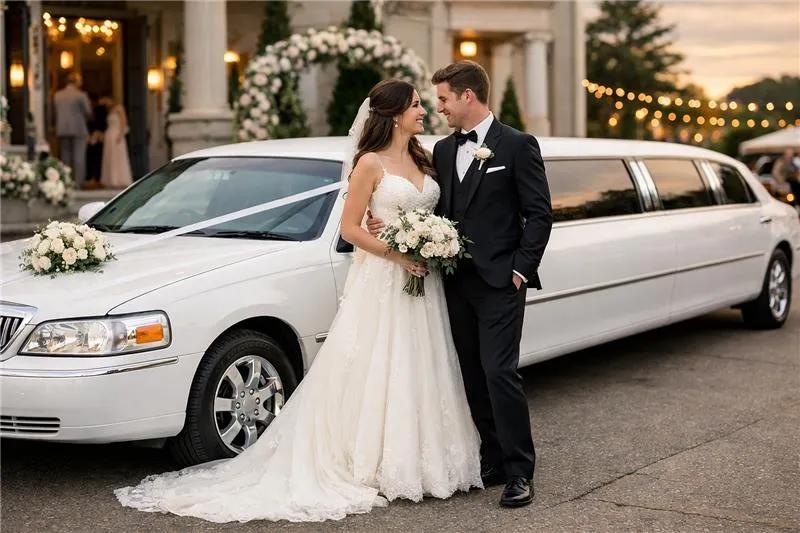
Choosing suitable wedding transportation helps couples organize these journeys and communicate travel arrangements clearly. The right option depends on the number of guests, the distance between venues, the wedding schedule, accessibility requirements, and the overall budget.
Palo Alto Limos provides a relevant transportation context for couples comparing wedding travel options in the Bay Area. This guide explains how to assess different vehicle types, plan pickup arrangements, coordinate guest movements, and prepare a practical transportation schedule for a Fremont wedding.
Why Wedding Guest Transportation Matters
Wedding transportation is not simply about getting guests from one place to another. It also affects the timing of the event and how easily guests can follow the day’s schedule.
When the ceremony and reception take place at separate locations, guests need clear instructions about where to go and when to arrive. If accommodations are spread across several hotels, coordinating individual journeys may become more complicated.
A transportation plan can help with:
- Organizing travel between ceremony and reception venues
- Reducing confusion about parking and arrival locations
- Helping out-of-town guests navigate unfamiliar roads
- Coordinating larger groups around a shared schedule
- Planning return journeys after an evening reception
- Accommodating guests who need additional boarding assistance
Not every wedding requires a group vehicle. For a small ceremony at one venue, guests may be able to arrange their own travel. For a larger celebration with multiple locations, organized transportation may be easier to coordinate.
1. Start by Estimating the Number of Guests
Before comparing wedding buses, limousines, or other transportation options, estimate how many people will actually need a ride.

The total wedding guest count is not always the same as the transportation passenger count. Some guests may live nearby, drive themselves, or make separate arrangements with family members.
Create a simple passenger estimate by identifying:
- Guests who need transportation from a hotel
- Guests who need a ride between ceremony and reception venues
- Guests who require return transportation
- Guests arriving from outside Fremont
- Guests with specific accessibility needs
- Members of the wedding party with separate schedules
For example, a wedding with 120 invited guests might have only 45 people requesting transportation from the hotel to the ceremony. Another 20 guests might need a return trip later in the evening.
These figures are illustrative. The actual passenger count should be based on guest responses and the confirmed itinerary.
Collect transportation preferences with the wedding RSVP or through a wedding website. Setting a response deadline gives the couple time to review the numbers before confirming the vehicle arrangement.
2. Compare Wedding Buses and Limousines
Different vehicle types serve different purposes. A wedding bus may be suitable for transporting a group between venues, while a limousine may be more appropriate for the couple or a smaller group.
A wedding bus can be useful when many guests need to travel together. It can reduce the need for multiple individual vehicles and make it easier to coordinate a shared arrival time.
Consider a bus when:
- Many guests are staying at the same hotel
- The ceremony and reception are at different venues
- The parking area has sufficient space for the vehicle
- The group needs a planned return journey
- The schedule involves several organized passenger movements
The vehicle’s actual seating capacity, luggage space, and access requirements should be confirmed before booking.
A limousine may suit the couple, members of the wedding party, or a smaller group that needs dedicated transportation.
It can be considered for journeys between a hotel, ceremony venue, photography location, and reception. However, the seating capacity and schedule should match the intended use.
A limousine designed for a small group may not be practical for moving dozens of guests. Couples should compare passenger capacity and the number of trips required instead of choosing a vehicle based only on appearance.
<text strong>Multiple vehicles</text>
Some weddings require a combination of transportation options. For instance, a bus may transport guests while a separate vehicle serves the couple.
If multiple vehicles are used, assign clear pickup times and locations to each one. This helps prevent guests from waiting at the wrong place or assuming that one vehicle serves every destination.
3. Consider the Distance Between Wedding Venues
The distance between venues affects the transportation schedule, especially when the ceremony and reception are not held at the same property.

A short journey may appear easy to organize, but loading passengers, navigating venue entrances, and accounting for traffic can add time.
When reviewing the route, consider:
- The exact street addresses of both venues
- The expected departure time
- Typical traffic conditions for that time of day
- Parking and passenger loading arrangements
- The number of passengers boarding at each stop
- Any planned photo sessions between locations
For a Fremont wedding, the route may involve local streets, major roads, or connections to neighboring communities. Use current navigation information to estimate travel time, then allow a reasonable buffer.
Do not schedule a vehicle to arrive at the reception at exactly the moment guests are expected to enter. A little extra time can help accommodate boarding and unexpected delays.
4. Plan Hotel Pickups for Out-of-Town Guests
Guests traveling from outside the Bay Area may stay in hotels near Fremont or in nearby cities. If a significant number of attendees are staying at the same property, a designated pickup can make the travel arrangements easier to understand.
Begin by confirming the hotel name, full address, passenger count, and preferred departure time.
Ask the hotel where wedding vehicles are allowed to load passengers. A hotel may have a designated entrance, driveway, or loading zone that differs from its main public entrance.
If guests are staying at several hotels, decide whether each location needs a separate pickup or whether a central meeting point would be more practical.
For multiple stops, calculate the time required to collect passengers at each property. A route that works for one hotel may be unsuitable when additional stops are added.
Provide guests with written instructions well before the wedding day. Include the pickup address, the time they should be ready, the planned departure time, and a contact person for questions.
5. Choose Pickup and Drop-Off Points Carefully
The correct vehicle is only part of the planning process. The pickup and drop-off locations must also work for the vehicle, venue, and passengers.
At each location, confirm:
- Where the vehicle is permitted to stop
- Whether the driveway can accommodate the selected vehicle
- How far guests must walk to the entrance
- Whether the area is suitable for passengers with mobility needs
- Where guests should wait before departure
- Whether access is restricted during certain hours
For wedding venues, contact the venue coordinator before finalizing these details. Some properties have separate entrances for event guests, deliveries, and commercial vehicles.
Avoid vague instructions such as “meet outside the venue.” Instead, describe the actual pickup point, using a complete address and a recognizable landmark where helpful.
If the pickup location changes, update the itinerary and notify the affected guests directly.
6. Match the Transportation Plan to the Wedding Schedule
Wedding transportation should be coordinated with the ceremony, photography, reception, and other important activities.
Start by working backward from the time guests need to be seated or ready for the ceremony. Then determine when the vehicle must depart and when passengers should arrive at the pickup point.
A basic schedule might look like this:
| Activity | Example time |
|---|---|
| Guests gather at hotel pickup point | 1:30 PM |
| Vehicle departs hotel | 1:45 PM |
| Estimated arrival at ceremony venue | 2:15 PM |
| Ceremony begins | 2:45 PM |
| Reception transportation departs | 4:30 PM |
| Evening return journey | According to confirmed schedule |
These times are examples only. Build the final schedule around the actual wedding date, venue locations, passenger count, and transportation arrangement.
For a larger wedding, separate the couple’s transportation schedule from the guest schedule. The couple may need to leave earlier for photographs, while guests follow a different route or arrival time.
Confirm the schedule with the wedding planner and transportation provider so the plan reflects the actual vehicle arrangements.
7. Think About Return Transportation After the Reception
Return transportation deserves as much attention as the journey to the wedding.

Guests may leave at different times, and some may prefer to stay until the reception ends. Others may need to return to a hotel earlier.
Decide whether the transportation plan includes:
- One return departure at the end of the event
- Several scheduled departures
- Separate hotel drop-offs
- Dedicated transportation for the wedding party
- A different arrangement for late-night guests
Communicate the confirmed return schedule before the wedding day. Guests should not have to guess whether a vehicle will be available later in the evening.
If several departure times are planned, ask guests to select their preferred option where appropriate. The responses can help the organizer estimate the passenger count for each journey.
Do not promise continuous shuttle service unless it has been arranged and confirmed.
8. Account for Accessibility and Passenger Comfort
A wedding transportation plan should consider the needs of all invited guests.
Some guests may require step-free boarding, additional time to enter a vehicle, or a shorter walking distance between the drop-off point and the venue.
Ask guests whether they need assistance, using a respectful and private process. Then confirm whether the selected vehicle and pickup locations can accommodate those requirements.
Consider the following:
- Vehicle entry and exit arrangements
- Available seating and space for mobility equipment
- Walking distance from parking or drop-off areas
- Time allowed for boarding
- The availability of assistance when needed
- The location of accessible entrances at each venue
Do not assume that every bus or limousine offers the same accessibility features. Confirm the specific vehicle’s capabilities before finalizing the booking.
Comfort also involves having enough seating for the expected passenger count and avoiding an itinerary that requires guests to rush between locations.
9. Review the Budget Before Confirming a Vehicle
Wedding transportation costs depend on factors such as vehicle type, service duration, distance, number of trips, waiting time, and the terms of the reservation.
Instead of comparing only the initial quoted amount, review what is included.
Ask the provider to clarify:
- The vehicle type and confirmed capacity
- The service start and end times
- Whether waiting time is included
- Whether additional stops affect the price
- Applicable taxes, fees, and gratuity
- Overtime charges
- The cancellation and rescheduling policy
- Any deposit or payment deadlines
When comparing a bus with several smaller vehicles, consider the complete transportation requirement. A lower initial price may not represent the lowest total cost if additional trips or longer service hours are needed.
If guests will contribute to the transportation expense, explain the arrangement before asking them to reserve seats. Clear communication helps avoid confusion during the RSVP process.
10. Coordinate Transportation with the Venue and Planner
The wedding planner, venue coordinator, and transportation provider should have consistent information about the schedule.
The planner can identify important moments when guests must be in a particular location. The venue coordinator can confirm access restrictions and passenger loading areas. The transportation provider can review the vehicle and route requirements.

Share one itinerary that includes the date, addresses, pickup times, destinations, passenger counts, and contact details.
If the wedding schedule changes, update the relevant parties promptly. Even a small change in the ceremony start time can affect vehicle departures and return arrangements.
Designate one person to communicate transportation changes. This reduces the risk of different people sending conflicting instructions.
11. Prepare Clear Instructions for Wedding Guests
Guests should receive transportation information in a format they can quickly understand.
A wedding website, invitation insert, or dedicated travel-information page can contain the main details. For guests using arranged transportation, provide the pickup location and departure time directly rather than requiring them to search through several messages.
Useful information includes:
- The date and time of pickup
- The exact meeting point
- The venue destination
- Whether advance seat confirmation is required
- The planned return options
- A contact for transportation questions
If a QR code links to the complete itinerary, make sure the destination works on mobile devices and that the most important details are still included in the invitation or message.
Send a reminder closer to the wedding date. Include any confirmed changes to pickup points, timing, or return arrangements.
12. Confirm Everything Before the Wedding Day
A final review helps catch scheduling errors and missing information before guests begin traveling.
Confirm the passenger count, vehicle arrangements, pickup addresses, venue access instructions, and return schedule. Review the itinerary with the person responsible for managing transportation on the wedding day.
Check that guests know where to meet and how to contact the coordinator if they encounter a problem.
It is also helpful to prepare a short contact list for the planner and transportation coordinator. Everyone involved should know who is responsible for communicating updates.
Keep a copy of the final itinerary available on a phone or printed document. This makes it easier to check the schedule without searching through old messages.
Conclusion
Choosing wedding transportation for guests in Fremont requires more than selecting a bus or limousine. Couples should consider passenger numbers, venue locations, hotel pickups, accessibility, travel time, return arrangements, and the overall budget.
A wedding bus can work well for larger groups, while a limousine may suit the couple or a smaller party. Some celebrations benefit from using different vehicles for guests and the wedding party.
For weddings in Fremont and the surrounding Bay Area, the most effective approach is to confirm the itinerary early, coordinate with the venues, and give guests clear instructions. A well-organized transportation plan helps everyone understand where they need to be and when, allowing the wedding day to run more smoothly.